Residential Concrete Driveways in Lebanon
Request a driveway estimate
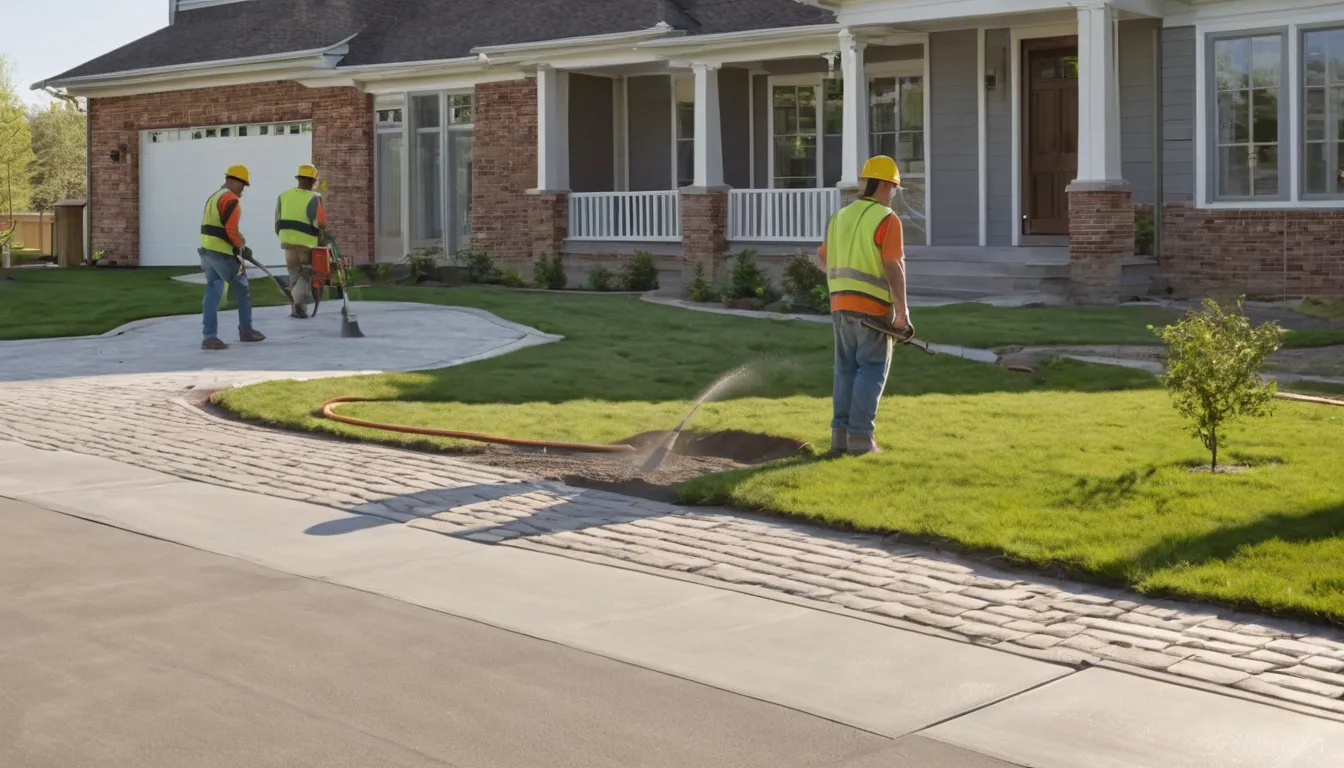
Webamil Concrete is a referral service for new concrete driveways. You send one request. We match it with an independent provider in our network who pours residential flatwork in your area. The provider does the work. Webamil Concrete does not.
Timing matters here. Deep frost, hot humid summers, hail storms and wet spring ground all change when concrete can be poured and how long it needs to cure. This page explains the schedule in plain terms, lists what a project includes, and shows typical U.S. costs so you can compare written quotes with confidence.
Planning a New Driveway? Start With the Calendar
A driveway is concrete flatwork: a flat slab poured over a prepared gravel base. The job is simple on paper. The weather makes it harder. Deep frost, humid heat, hail storms and soggy spring ground all affect when a pour makes sense.
Webamil Concrete is a referral service. It matches you with independent providers in our network. The provider quotes, schedules and pours. You request the estimate.
Why Season Decides the Pour
Concrete hardens through a chemical reaction, and that reaction is sensitive to temperature. Below about 40°F it slows down, and early frost can ruin a fresh surface. Above about 85°F it dries too fast and cracks.
Spring and early fall are usually the easiest windows. Summer and late fall can work with shade, wet curing or insulating blankets. A good provider will tell you which approach fits your date.
Pour Day and the Days After
The timeline is short, and each stage has a job.
The first hours
The slab is placed, leveled and finished. Rain at this stage can pit the surface. Hot wind can crust it. Providers watch the forecast closely.
Day one to three
The slab sets. Most providers want foot traffic kept off for about a day. Vehicles stay off longer.
Day seven
Concrete reaches roughly 70 percent of its strength. Many providers allow light vehicles around this point. Follow the provider's instruction, not a rule of thumb.
Day twenty-eight
This is full design strength. Sealing and heavy loads, such as moving trucks, usually wait until then.
Signs You Need a New Driveway
Look for these before the season turns:
- Cracks wider than a quarter inch, or cracks that step up and down
- Slabs that have heaved or sunk after winter frost
- Crumbling, flaking surface from salt and ice
- Water pooling instead of draining away
- Large patches of old repairs that keep failing
Repair or Replace?
Concrete driveway repair suits hairline cracks and a chipped edge. This site handles new work and does not take repair requests. When damage covers a large share of the slab, replacement is often the sounder choice.
If slabs tilt toward the house, find the cause first. Water near the foundation may need foundation repair experts. A driveway provider can pour a new slab, but the ground has to be sound underneath.
What a New Driveway Project Includes
A full project usually follows this order: removing the old slab, grading, compacting a gravel base, setting forms and reinforcement, pouring, finishing, cutting control joints and curing. Control joints are planned cuts that guide cracks into straight lines.
Ask each provider to list these steps in the quote.
Size, Thickness and Finish
A one-car drive is about 10 feet wide. Two cars need 18 to 24 feet. Wider turnarounds cost more but save lawn edges.
Four inches is common for cars. Five or six inches suits trucks and heavy loads. Cold regions often add a thicker edge and a well-compacted base to resist frost.
A broom finish gives grip in wet and icy weather. Stamped or colored finishes look richer but cost more. Stamped concrete patios use the same craft, and the patio page covers them.
Spring Ground and Drainage
Spring flooding softens the base. A pour on wet soil can settle. Many homes here have full basements with sump pumps, so slope matters. The slab should shed water away from the house, not toward it.
Permits and the Street Apron
The apron is the section where your driveway meets the street. Many towns control its width, thickness and materials. Some require a permit and an inspection. Ask the provider who handles the paperwork, and get that answer in the quote.
Choosing a Concrete Provider
Compare at least two written quotes. Check the following:
- Slab thickness, base depth and reinforcement
- Finish type and joint layout
- Removal and disposal of old concrete
- Permit handling
- Start window and cure instructions
Providers in our network are independent businesses. Confirm license and insurance details directly with the provider.
Request a callback to check provider availability for your preferred season.
Book Before the Season
Good pour windows fill up. Spring requests can stack up once the ground thaws. Fall slots close when nights turn cold. Asking early gives you a choice of dates and time to compare quotes in writing.
After the Pour: Protect It
Pour, cure, protect. Keep cars, bikes and pets off until the provider says it is safe. Water the slab if told to. Wait for the recommended period before applying sealer.
In the first winter, avoid de-icing salts. Use sand for grip and a plastic shovel for snow. Salt on young concrete causes surface flaking.
What's Included
Removal and Site Prep
Old concrete is broken out and hauled away, then the ground is graded to shed water.
Compacted Gravel Base
A tamped stone layer supports the slab and helps it resist frost movement.
Forms and Reinforcement
Edge forms set the shape. Mesh or rebar adds strength against cracking.
Pour, Finish and Cure
Concrete is placed, finished, jointed and kept damp or covered while it hardens.
Typical Concrete Driveway Costs in the U.S.
These ranges are national averages. Your price depends on size, access, soil, finish and local rates, so always get a written quote before work starts.
| Item | Typical range | Notes |
|---|---|---|
| Plain broom-finish slab | $6 – $12 per sq ft | Common four-inch residential pour |
| Two-car driveway, full project | $4,000 – $9,000 | Roughly 500 to 700 square feet |
| Stamped or colored finish | $12 – $22 per sq ft | Pattern and color add labor |
| Old slab removal and hauling | $1 – $4 per sq ft | Depends on thickness and disposal fees |
| Gravel base and grading | $1 – $3 per sq ft | Soft or wet soil can raise cost |
| Permit and apron work | $100 – $1,500 | Varies by town and street rules |
How It Works
Send Your Request
Share your address area, rough driveway size and the season you would like to pour.
Get Matched With a Provider
A local provider in our network reviews the details and may schedule a site visit.
Compare Written Quotes
Check thickness, base, finish, permits and start window before choosing who to hire.
Pour, Cure, Protect
The provider pours and finishes the slab, then gives you cure and care instructions.
Why Call Webamil Concrete
Timing Built In
Requests are framed around frost, heat and storm windows so your pour date fits the weather.
Local Providers
Your request goes to independent providers who work in your area and know local conditions.
Quote in Writing
Compare written scopes that list thickness, base, finish and joints before you decide anything.
No Obligation
Requesting an estimate costs nothing to compare, and you choose whether to hire any provider.
Other Services
Need residential concrete driveways in Lebanon?
Planning a new driveway or patio? Send your details through the request form and a local provider can follow up with a written estimate.
No obligationResidential Concrete Driveways FAQ
How long before I can drive on a new concrete driveway?
Foot traffic is often fine after about a day. Cars usually wait around a week, and heavy trucks closer to 28 days. Cold weather can add time, so follow your provider's instructions.
When is a good time of year to pour a concrete driveway?
Spring and early fall are usually the easiest, with mild temperatures and steadier weather. Summer and late fall can still work if the provider plans for heat, rain or cold with proper protection.
How thick should a residential concrete driveway be?
Four inches is typical for passenger cars. Five or six inches suits pickups, delivery trucks or heavy loads. In cold regions, a solid gravel base matters as much as thickness, so ask each provider about both.
Get in touch
Planning a new driveway or patio? Send your details through the request form and a local provider can follow up with a written estimate.
No obligation